If it's a CAT brief, we're who you call.

Catastrophic impairment is the work we built the practice around. It's also the work that punishes shortcuts more than anything else we do. Here's how we approach it.

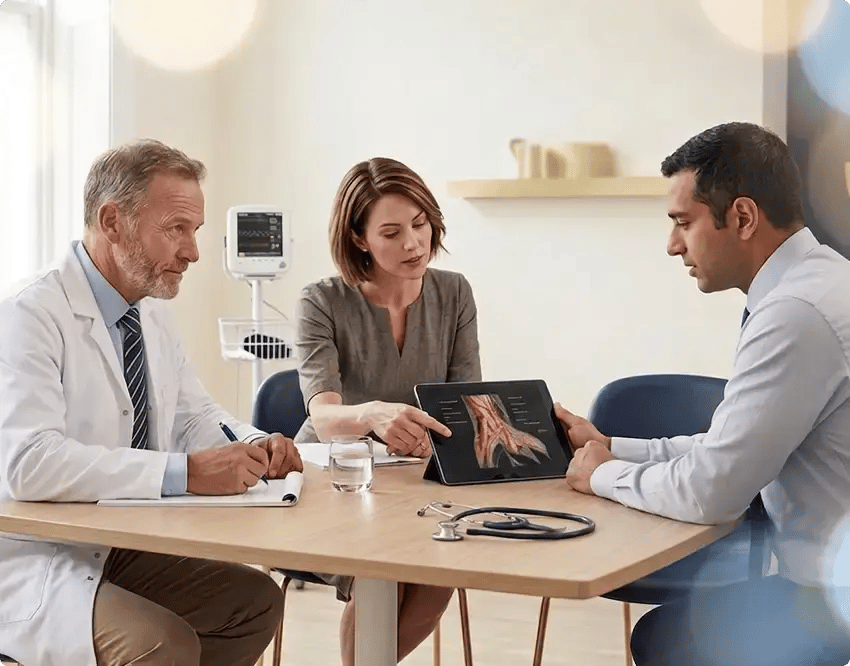
cat-img-1

What Is a CAT Assessment?

A catastrophic impairment assessment determines whether a person’s injuries meet the catastrophic threshold - the point at which the most serious cases are recognised and the level of support available changes. Because so much depends on the answer, and because these files are rarely straightforward, the assessment behind it has to be thorough and defensible the first time. That’s the work we specialize in.


Why CVS

CAT files don't fit a template. They almost always involve more than one specialist, more than one clinical question, and a degree of complexity that gets lost when the work is rushed. We slow down at the beginning. We talk to the referrer. We build the right team for the file rather than the team that happens to be free this week. The report that comes out the other end reflects all of that.

How the CAT Referral Process Works

You send us the full medical brief. Documents can be uploaded securely through the “Send Documents Securely” link on our website - no couriers, no delay.
Our CAT clinical coordinator, Dr. Milne, reviews the file. He gives an early, informal read on whether your client is likely to meet the catastrophic impairment threshold, recommends which criteria to assess and which assessors to use, and flags anything missing from the file.
We send you Dr. Milne’s feedback to review. Nothing moves forward until you’ve decided how you’d like to proceed.
Once you confirm which assessments to run, we prepare and submit the treatment and assessment plan to the insurer on your behalf.
 The matched specialists complete their assessments and we deliver a complete, defensible report - with the same point of contact throughout.


On fees: any amount the insurer approves is deducted from your final invoice. If the pre-screen is approved, Dr. Milne’s initial review isn’t billed to you; if it isn’t approved, that review is a flat fee. Tort reports can also be produced from these assessments for an additional fee.
cvs-defensible

What Makes a CAT Report Defensible

  • Methodology that's consistent across every file.
  • Specialists matched specifically to the clinical questions raised.
  • Findings written to withstand cross-examination, not just to check a box.

Frequently asked questions

How do I start a CAT referral?
Send us the full medical brief through the secure upload link on our website. Our CAT clinical coordinator reviews it and gives you an early read before anything is booked.
Will you tell me if my client is unlikely to meet the threshold?
Yes. The initial review includes an informal estimate of whether the threshold is likely to be met, so you can make an informed decision before committing to a full set of assessments.
Who carries out the assessments?
A team of specialists matched to the specific criteria and questions in the file, coordinated
through a single point of contact from referral through to the report.
How are fees handled?
Any amount the insurer approves is deducted from your final invoice, and we confirm costs with you up front. If the pre-screen is approved, the initial clinical review isn’t billed to you.
Can you produce a tort report as well?
Yes - tort reports can be produced from these assessments for an additional fee.